
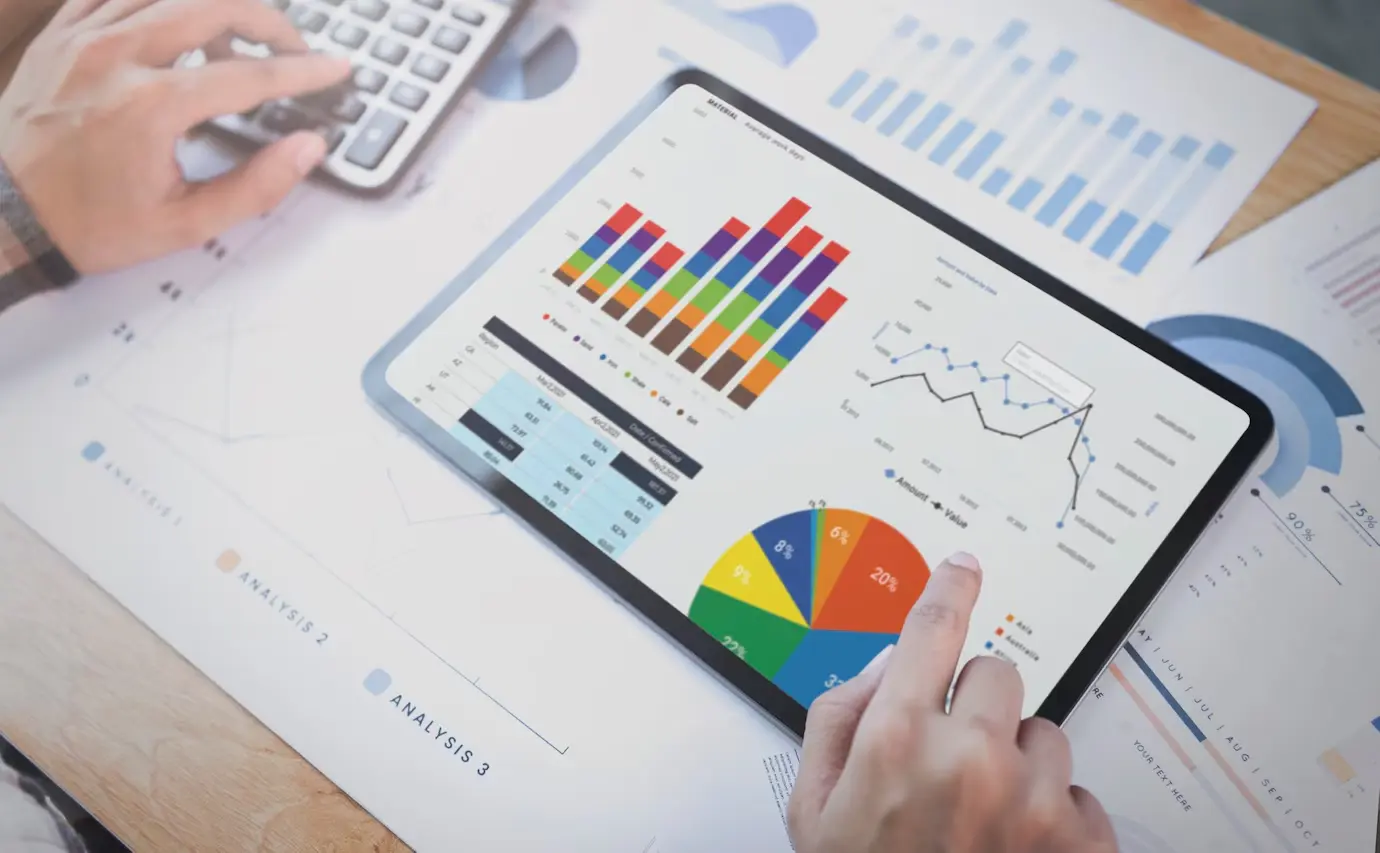
In today’s busy retail world, businesses must provide smooth shopping across all channels. Customers want a seamless experience in stores, websites, apps, and social media. Meeting these expectations requires a deep understanding of customer behaviour. This is where data analytics plays a crucial role. It offers essential customer insights, such as shopping patterns, preferences, and engagement levels. These insights help retailers boost their omnichannel strategies. They can personalise marketing, optimise inventory, and improve customer service. Businesses can improve efficiency, raise profits, and create lasting customer loyalty. This helps them remain competitive in a changing market.
Want to know more? Please read our blog!
The Role of Data Analytics in Omnichannel Retail

Data analytics play a crucial role in omnichannel retail. Here is why:
Understanding Omnichannel Analytics
Omnichannel analytics involves collecting and analysing data from various customer touchpoints. This helps businesses understand shopping behaviours, preferences, and interactions across platforms. With this knowledge, retailers can improve marketing, inventory management, and customer service strategies.
Benefits of Data-Driven Retail Strategies
Using data analytics in retail, businesses can:
- Enhance Personalisation: Use customer data insights to tailor product suggestions and marketing efforts.
- Improve Inventory Management: Predict demand and avoid stockouts or overstocking.
- Optimise Customer Journeys: Spot friction points and streamline purchases across channels.
- Boost Customer Retention: Analyse shopping habits to strengthen loyalty programmes and engagement.
- Increase Sales Conversions: Offer targeted promotions using real-time insights.
- Improve Decision-Making: Data insights help businesses choose wisely. This lowers risks and increases profits.
- Boost Team Management: Retailers can better manage staff by tracking foot traffic and shopping trends.
Key Data Sources for Omnichannel Analytics
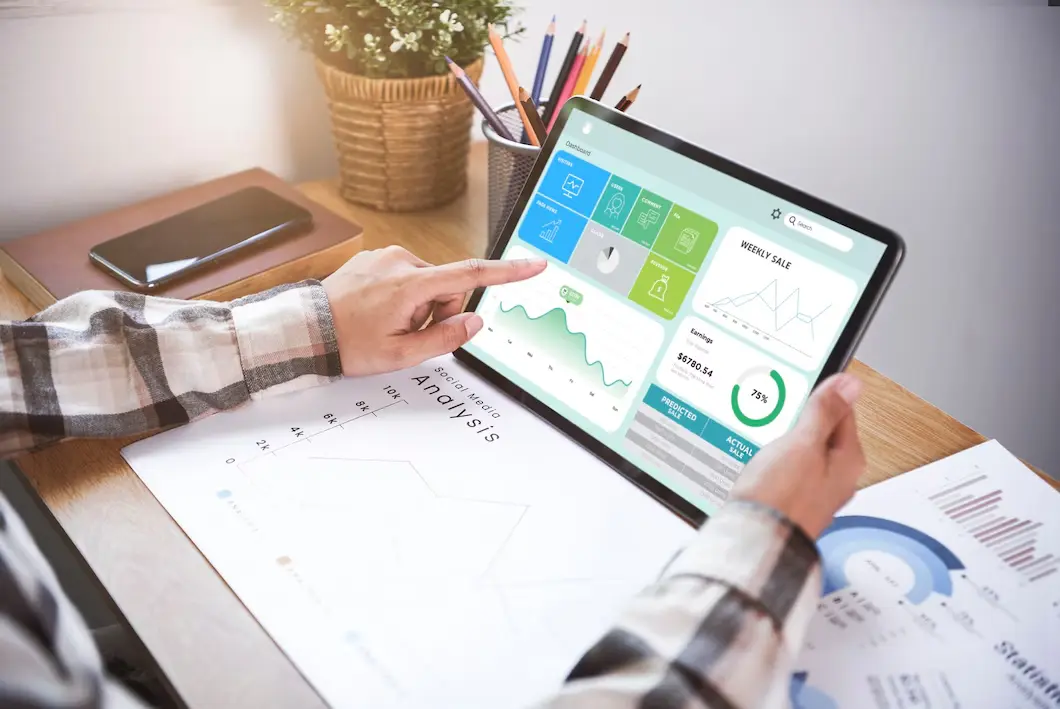
Retailers can gather data from various sources to understand their customers better. Key sources include:
- Point-of-sale (POS) Systems: In-store POS data helps track sales trends, best-selling products, and regional performance. It also identifies peak shopping hours and aids in workforce planning.
- E-commerce Platforms: Online shopping data reveals customer behaviour, abandoned cart rates, and product preferences. Businesses can adjust product placements, pricing, and promotions to maximise revenue.
- Mobile Apps: Retail apps gather browsing habits, user preferences, and engagement data. Targeted push notifications can boost retention and drive repeat purchases.
- Social Media Channels: Insights from social media help measure customer sentiment and engagement with marketing. Sentiment analysis tools highlight trends, allowing quick adjustments to messaging strategies.
- Customer Relationship Management (CRM) Systems: CRM tools centralise customer data, including past purchases and support interactions. This data supports targeted loyalty programmes that encourage long-term engagement.
- Website Analytics: Tracking how users navigate your site with Google Analytics and other tools provides helpful insights. It also shows bounce rates and conversion paths. A/B testing can help find the most effective layouts and messaging.
How Data Analytics Transforms Omnichannel Retail Strategies
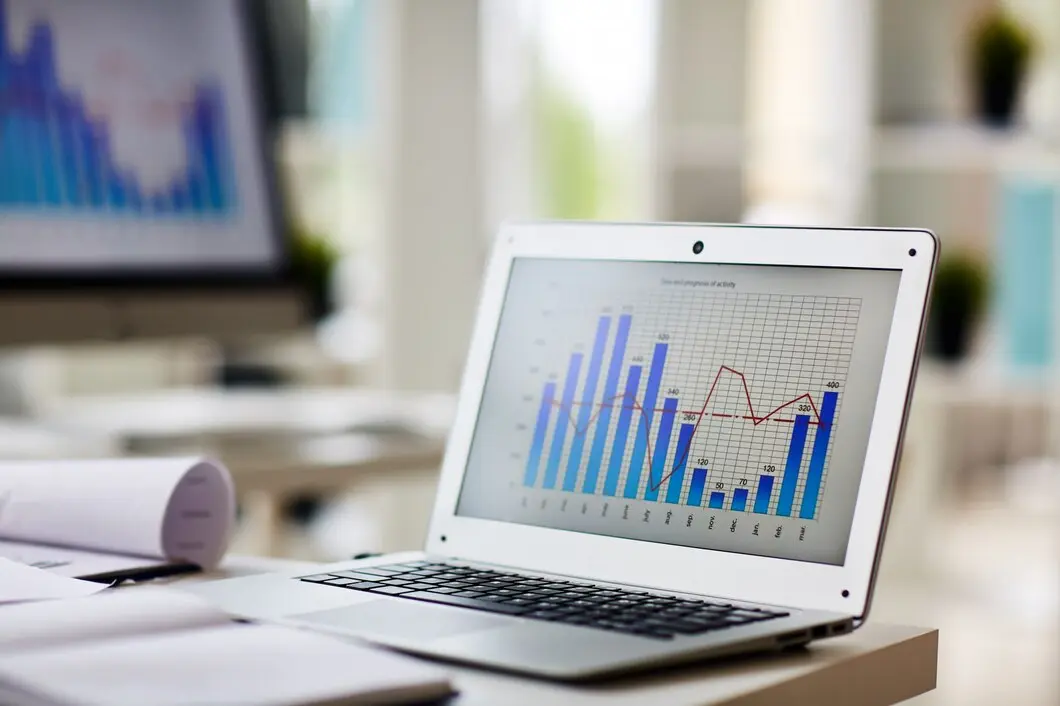
Here is how data analytics help to transform omnichannel retail strategies:
Personalising the Customer Experience
By analysing customer data insights, retailers can create personalised experiences. For example, AI-driven recommendation engines suggest products based on past purchases. Personalised email campaigns with dynamic content can further engage customers.
Optimising Inventory and Supply Chain Management
Omnichannel analytics helps retailers predict demand and manage inventory better. Integrating POS, e-commerce, and warehouse data helps businesses keep stock available, reducing delays and preventing lost sales. Predictive analytics tools help anticipate seasonal demand changes.
Enhancing Marketing Strategies
Retailers can use data analytics to segment audiences and run targeted marketing. Analysing social media engagement helps create targeted promotions, boosting engagement and improving ROI. Retargeting strategies based on abandoned carts can improve conversion rates.
Improving Customer Support and Satisfaction
Real-time customer data insights enable proactive customer support. Chatbots and AI systems can predict needs. They offer timely help, which boosts satisfaction and keeps users coming back. Sentiment analysis can detect dissatisfaction early, allowing retailers to resolve issues quickly.
Unifying Online and Offline Shopping Experiences
Integrating data across all channels creates a seamless shopping experience. Features like “buy online, pick up in-store” (BOPIS) and real-time inventory help customers shop easily.
Implementing a Successful Data-Driven Omnichannel Strategy
Successful data-driven omnichannel strategies combine online and offline customer data. This approach enhances the overall shopping experience by offering seamless interactions and personalised engagement across all channels.
Retailers should track key metrics. To measure success, focus on conversion rates, customer lifetime value, and cart abandonment rates. Additional KPIs could include average order value and return rates.
A unified approach is essential to consolidate data. A strong omnichannel analytics platform ensures seamless data integration and access. Cloud-based solutions allow real-time data sharing across departments.
A unified approach is essential to consolidate data. A strong omnichannel analytics platform ensures seamless data integration and access. Cloud-based solutions allow real-time data sharing across departments.
AI tools can analyse large data volumes to predict trends and automate decisions. Machine learning algorithms improve with time, helping businesses make more accurate marketing and inventory predictions.
Retailers should check analytics often. They need to change strategies based on trends and customer feedback. A dedicated analytics team helps businesses respond to changing consumer expectations.
Retailers must follow data privacy rules like GDPR and CCPA as privacy concerns are rising. Transparent data policies and secure storage build customer trust and ensure compliance.
Maximise Retail Success with Data-Driven Omnichannel Strategies
With rising competition in retail, businesses need to use data analytics. This will help improve their omnichannel analytics strategies. Retailers can use customer data to enhance shopping experiences, streamline operations, and boost conversions. Investing in data-driven decisions boosts efficiency and helps businesses prepare for the future in a digital world. Retailers using analytics will have an advantage, helping them succeed in the omnichannel market over time.