

As retail businesses expand across borders, global retail supply chains become increasingly complex. Managing international logistics and supply chain needs smart planning and advanced tech. Retailers are juggling a circus of challenges daily. They coordinate suppliers, navigate transportation hurdles, decipher regulations, and meet customer expectations. Yet, with the right solutions, businesses can turn chaos into clarity, transforming supply chains into streamlined success stories. Smart strategies boost efficiency and profits, showing they are the key to success in retail.

1. Supply Chain Disruptions
Global supply chains are highly susceptible to disruptions due to:
- Natural Disasters: Hurricanes, earthquakes, and floods can halt production and transportation.
- Pandemics: As seen with COVID-19, global health crises can shut down supply chains worldwide.
- Geopolitical Conflicts: Trade wars, sanctions, and political instability impact cross-border trade.
- Cybersecurity Threats: Data breaches and cyberattacks can disrupt digital supply chain operations.
- Labour Strikes and Shortages: Workforce issues can delay shipments and warehouse operations.
2. Complex Regulatory Compliance
Navigating international trade laws can be challenging due to:
- Varying Import/Export Regulations: Different countries have unique trade laws that change frequently.
- Tariffs and Duties: Changes in trade agreements affect shipping costs and product pricing.
- Customs Documentation: Incomplete or incorrect paperwork can cause significant shipment delays.
- Cross-border Data Regulations: Privacy laws can affect how businesses track and share supply chain data.
- Sustainability Compliance: Governments are imposing stricter environmental and ethical sourcing requirements.
3. High Transportation Costs
Rising logistics expenses are a major concern due to:
- Fluctuating Fuel Prices: Global oil prices directly impact transportation costs.
- Last-Mile Delivery Challenges: Final-stage shipping in urban areas is often costly and inefficient.
- Increased Demand for Faster Shipping: Consumers expect quick deliveries, increasing operational expenses.
- Multiple Carrier Dependencies: Relying on different carriers adds complexity to cost management.
- Limited Freight Space: Air and sea freight capacity constraints drive up costs.
4. Inventory Management Challenges
Retailers struggle with inventory control due to:
- Demand Forecasting Difficulties: Varying regional demand makes accurate predictions difficult.
- Overstocking and Understocking: Too much inventory raises storage costs, while too little leads to lost sales.
- Warehouse Inefficiencies: Poor layout and management increase order fulfilment times.
- Real-Time Stock Visibility Issues: Inaccurate inventory tracking disrupts fulfilment timelines.
- Reverse Logistics Complexity: Handling returns across multiple markets is expensive and inefficient.
5. Technological Limitations
Legacy systems slow down supply chain operations because of:
- Lack of Integration: Disconnected systems lead to inefficiencies and miscommunication.
- Slow Adoption of AI and Automation: Many retailers still use manual supply chain processes.
- Data Silos: Inaccessible or fragmented data reduces real-time decision-making abilities.
- Scalability Issues: Outdated technology struggles to support expanding global operations.
6. Sustainability and Environmental Impact
Growing concerns about the environmental impact of global supply chains include:
- High Carbon Emissions: Long-distance shipping contributes to global pollution.
- Excessive Packaging Waste: Inefficient packaging practices generate unnecessary waste.
- Ethical Sourcing Concerns: Retailers must ensure fair trade and humane labour practices.
- Sustainable Warehousing Needs: Businesses must adopt energy-efficient storage and logistics solutions.
- Regulatory Pressure: Governments worldwide are enforcing stricter environmental regulations.
Effective Solutions for Global Retail Supply Chains

1. Enhancing Supply Chain Resilience
To build a resilient supply chain, businesses should:
- Develop Diversified Supplier Networks: Relying on multiple suppliers reduces risk.
- Use Predictive Analytics: AI-driven forecasting tools help anticipate demand fluctuations.
- Implement Real-Time Tracking: IoT-enabled shipment tracking prevents disruptions.
- Strengthen Cybersecurity Measures: Protecting digital systems enhances operational security.
- Build Emergency Response Plans: Having contingency plans mitigates unexpected risks.
2. Strengthening Regulatory Compliance
Retailers can streamline regulatory processes by:
- Automating Compliance Monitoring: AI tools ensure all shipments meet international trade laws.
- Standardising Documentation: Centralised platforms help manage import/export paperwork efficiently.
- Partnering with Customs Brokers: Experts help businesses navigate trade barriers and taxes.
- Regularly Updating Trade Policies: Staying informed prevents costly compliance violations.
- Integrating Blockchain Technology: Ensures transparency and security in cross-border transactions.
3. Reducing Transportation Costs
To cut shipping expenses, businesses should:
- Optimise Freight Routes: AI-powered logistics tools find the most cost-efficient shipping methods.
- Leverage Bulk Shipping Discounts: Partnering with carriers for high-volume shipping reduces per-unit costs.
- Adopt Multi-Modal Transportation: Combining air, sea, and land transport can lower costs.
- Implement Smart Warehousing: Distributing inventory across strategic locations reduces last-mile delivery expenses.
- Invest in Alternative Fuel Solutions: Electric or hybrid delivery vehicles cut fuel costs.
4. Improving Inventory Management
Retailers can enhance inventory efficiency by:
- Utilising AI-Powered Demand Forecasting: Machine learning predicts stock needs accurately.
- Implementing Just-In-Time (JIT) Strategies: Reducing excess inventory saves storage costs.
- Automating Warehousing Operations: Robotics and AI improve picking, packing, and restocking.
- Enhancing Visibility with RFID and IoT: Real-time stock tracking reduces losses and inefficiencies.
- Optimising Reverse Logistics: Streamlined return processes improve cost management.
5. Leveraging Technology for Efficiency
Retailers should invest in:
- Cloud-Based Supply Chain Management Software: Real-time access to data enhances decision-making.
- IoT-Enabled Monitoring: Smart sensors track shipments and warehouse conditions.
- AI-Driven Analytics: AI tools identify trends and improve supply chain performance.
- Blockchain for Transparency: Secure and tamper-proof tracking enhances trust among stakeholders.
- Robotic Process Automation (RPA): Reduces manual workload in order processing and invoicing.
Future Trends in Global Retail Supply Chains
1. AI and Machine Learning Integration
- AI-driven demand forecasting improves inventory planning.
- Automated logistics reduce operational inefficiencies.
- AI-powered chatbots handle real-time shipping inquiries.
2. Sustainable Supply Chain Innovations
- Increased investment in carbon offset programs.
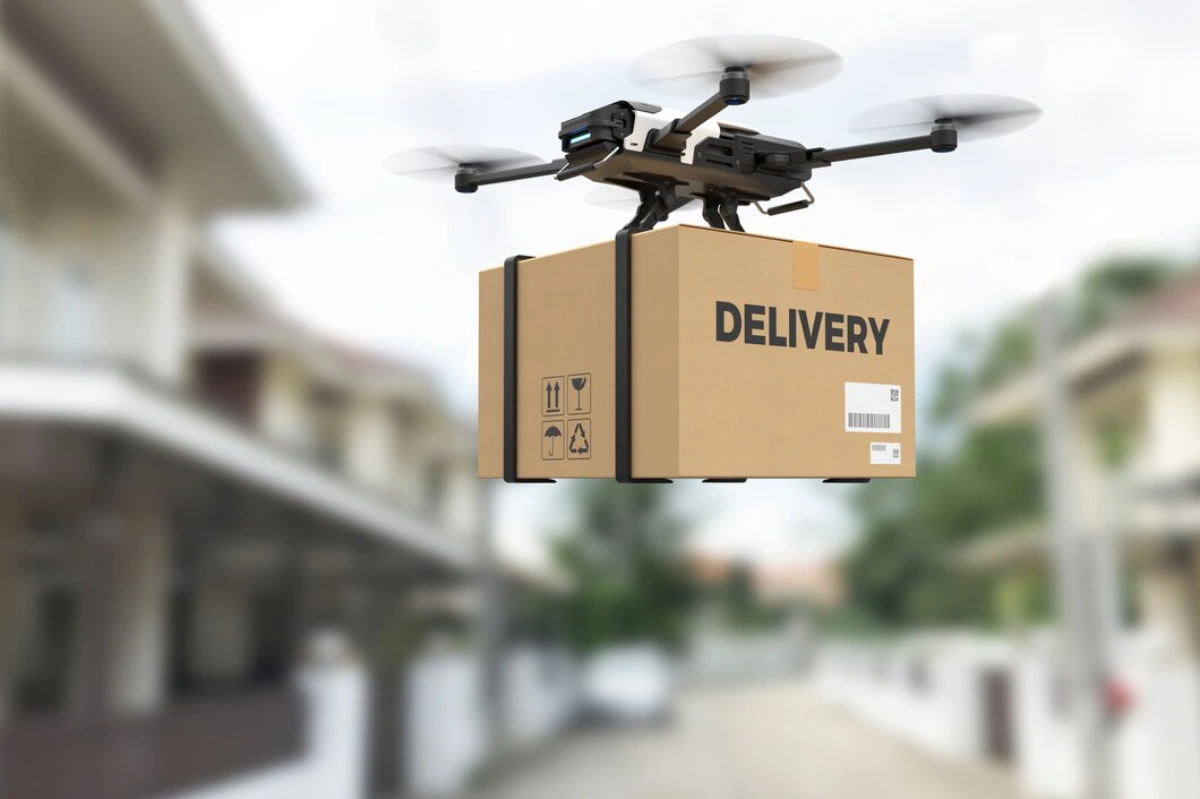
- Adoption of electric trucks and drones for last-mile deliveries.
- Growth of biodegradable and eco-friendly packaging solutions.
3. Digital Platforms for Supplier Collaboration
- Cloud-based procurement platforms simplify supplier interactions.
- Automated contract management enhances efficiency.
- AI-powered performance tracking evaluates supplier reliability.
4. Use of Autonomous Vehicles for Logistics
- Self-driving delivery trucks reduce costs.
- Drone technology speeds up deliveries in urban areas.
- Robotics improve warehouse operations and fulfilment.
Click here to learn more about The Future of Retail Shopping.
Final Thoughts
Navigating the labyrinth of global retail supply chains calls for foresight and tech-savvy. Retailers can elevate efficiency while trimming costs by mastering international logistics.
By fine-tuning supply chain management, they can turn challenges into stepping stones for success. This strategy keeps them agile in the global marketplace. By investing in AI, automation, and sustainable solutions, they fortify their supply chains. This forward-thinking approach paves the way for lasting success in a rapidly evolving industry.