

Shopping in your 20s Vs 30s
The retail industry is changing rapidly. New technology, cultural shifts, and what different generations like influence it. Two of the most prominent players in today’s market? Gen Z (born 1997–2012) and Millennials (born 1981–1996). At first, they looked alike. Both are digital natives. They value social responsibility and shop with purpose. Look closer. You’ll notice their habits, brand loyalty, and spending differ in key ways. Businesses can’t ignore these insights.
Gen Z likes realness more than old-school ads. They enjoy short videos and want quick satisfaction. Millennials value brand loyalty. They respond well to nostalgia-driven marketing. They also seek a balance between price and quality. So, how do brands connect with both? To find the answer, we need to know their motivations. We must also look at their generational shopping styles and what drives their buying choices.
This blog will explore the key differences between Gen Z and Millennials. We’ll look at how they connect with brands and what businesses need to do to grab their attention and money.
Understanding Generational Shopping Preferences

Gen Z and Millennials shop differently. Their generational shopping habits are influenced by their life experiences, finances, time, and technology.
Technology
Gen Z loves using their phones for shopping. They prefer social media, live shopping events, and mobile apps over regular e-commerce sites. Platforms like TikTok, Instagram, and Snapchat serve as virtual storefronts. Users connect with brands and decide what to buy based on trending content.
Millennials prefer an omnichannel shopping style. They like to mix online and in-store experiences. They love shopping on sites like Amazon and ASOS but also enjoy the hands-on experience of visiting actual stores.
Life Experience
When it comes to brand loyalty, Gen Z is far less committed than Millennials. They focus on authenticity and transparency rather than brand names. They often seek out independent and small businesses, not large corporations. Gen Z trusts influencer recommendations and peer reviews more than traditional ads.
Millennials often form lasting bonds with brands. They value consistent quality, great customer service, and rewards programs.
Finances
Spending habits also differ between the two generations. Gen Z watches their budgets closely. They like Buy Now, Pay Later (BNPL) options, such as Klarna and Clearpay. These services help them afford what they want. They like second-hand shopping on sites like Depop and Vinted. This shows their strong commitment to sustainability.
Millennials, however, are more willing to invest in quality products and experiences. They spend more on travel, dining, wellness, and home décor. They often value quality over cost.
Time
Marketing strategies that resonate with these generations also vary. Gen Z loves short videos, influencer marketing, and interactive social media. They connect more with real stories and viral trends than with old-school ads.
Millennials often like long articles, custom emails, and detailed reviews of products. They appreciate well-researched brand messaging and mission-driven marketing that aligns with their values.
Now, let’s explore these differences in greater detail.
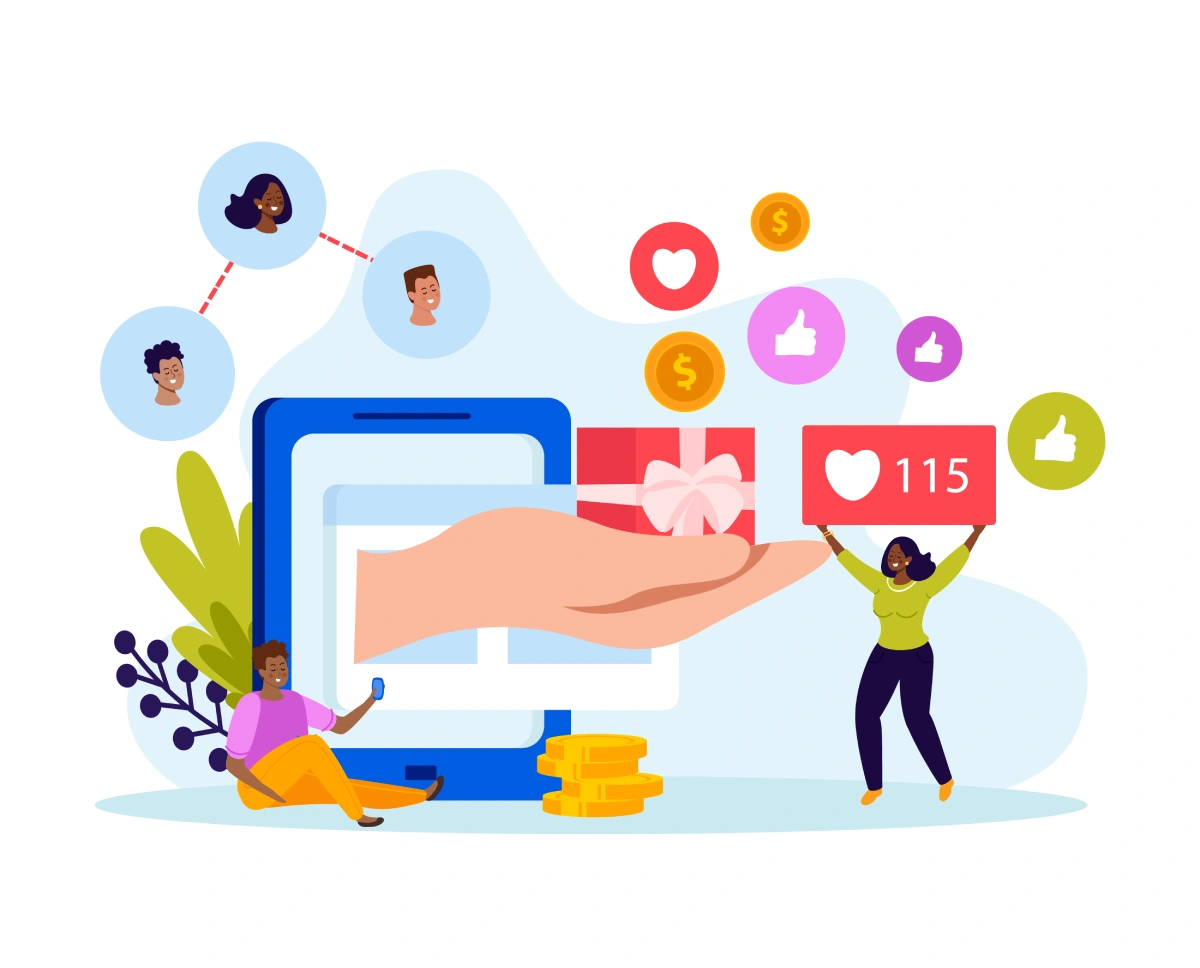
1. Shopping Channels: Where Do They Shop?
- Gen Z is the first generation born into the digital world. They grew up with smartphones, social media, and easy online shopping. Their preferred shopping channels include:
- Social Media Platforms – Instagram, TikTok, and Snapchat act as virtual storefronts.
- Live Shopping Events – Real-time demos on TikTok Live and Instagram Live drive sales.
- Mobile Shopping Apps – Gen Z prefers seamless, app-based experiences over traditional e-commerce websites.
Example: TikTok’s Influence on Gen Z Shopping
TikTok’s #TikTokMadeMeBuyIt trend highlights popular product picks. This often causes brands to sell out globally.
Tip for Businesses: Focus on social commerce. Partner with influencers and use interactive videos.
Millennials: Omni-Channel Shopping Experience
Millennials enjoy shopping both online and in stores. They like the ease of online shopping but also value the experience of browsing in person. Their generational shopping habits include:
- E-commerce Platforms – Amazon, ASOS, and other major retailers dominate their online purchases.
- Brick-and-Mortar Stores – Millennials like to see, touch, and try products before they buy.
- Subscription Services – Meal kits, beauty boxes, and fashion subscriptions appeal to their lifestyle.
Example: Amazon Prime’s Popularity Among Millennials
Millennials are loyal Amazon Prime users, valuing fast delivery, convenience, and exclusive discounts.
Tip for Businesses: Offer seamless omni-channel experiences, integrating online and in-store shopping.
2. Brand Loyalty: How Do They Choose Brands?
Gen Z: Prioritising Authenticity Over Brand Loyalty
Gen Z is less brand-loyal than previous generations. Instead of sticking to legacy brands, they:
- Seek authenticity and transparency in brand messaging.
- Prefer small businesses and independent brands over large corporations.
- Value peer recommendations and influencer endorsements over traditional advertising.
Example: Gen Z’s Love for Independent Brands
Gen Z shoppers prefer local and new brands over well-known ones.
Tip for Businesses: Tell real stories and engage genuinely. Don’t just push your brand.
- Unlike Gen Z, Millennials show higher brand loyalty, favouring brands that:
- Offer consistent quality and excellent customer service.
- Provide rewards programmes and exclusive benefits.
- Align with their values and lifestyle choices.
Example: Starbucks Rewards Loyalty Programme
Millennials choose Starbucks for a few reasons. They love the rewards points. They also enjoy personalised offers. Plus, the brand stays consistent, which they appreciate.
Tip for Businesses: Implement loyalty programmes and exclusive perks to retain Millennial customers.
3. Spending Habits: How Do They Approach Budgeting?

Gen Z: Cost-Conscious & Buy-Now-Pay-Later (BNPL) Enthusiasts
Gen Z is financially cautious, having grown up during economic instability. They prefer:
- Buy Now, Pay Later (BNPL) options like Klarna and Clearpay.
- Second-hand shopping is available through platforms like Depop and Vinted.
- Fast but Affordable Fashion from brands like SHEIN.?
Example: The Rise of BNPL Services
Over 65% of Gen Z shoppers have used BNPL services to make purchases without upfront payments.
Tip for Businesses: Give Gen Z flexible payment choices to fit their budgeting style.
Millennials: Prioritising Quality and Experiences
Millennials are now in their prime earning years. They prefer to invest in quality rather than quantity. Their generational habits include:
- Higher Spending on Experiences – Travel, dining, and entertainment are major spending categories.
- Willingness to Pay More for Quality – Investing in ethical and durable products.
- Home & Wellness Investments – Spending on home décor, fitness, and self-care.
Example: The ‘Experience Economy’
Millennials choose experiences instead of material things. This shift boosts travel and event industries.
Tip for Businesses: Highlight quality, sustainability, and experience-driven offerings in your marketing strategies.
Conclusion
Brands must understand the differences between Gen Z and Millennials. This knowledge helps them improve their marketing, pricing, and customer engagement strategies. Businesses can create better shopping experiences by matching them to consumer demographics. This helps build stronger connections and boosts customer loyalty.
Which generation do you relate to most? Let us know in the comments!