

Introduction
The world of retail is in turmoil. Driving this shift is the circular economy retail model. More consumers are moving away from the former way of purchasing and disposing of items. They now favour a sustainable, circular approach.
Second-hand shopping and the burgeoning resale market are crucial components of this trend. It was with that in mind that retailers, large and small, have begun realising the economic and environmental benefits of extending the lifecycle of their products. But what is a circular economy in retail, and how is it reshaping the industry?
What is the Circular Economy?
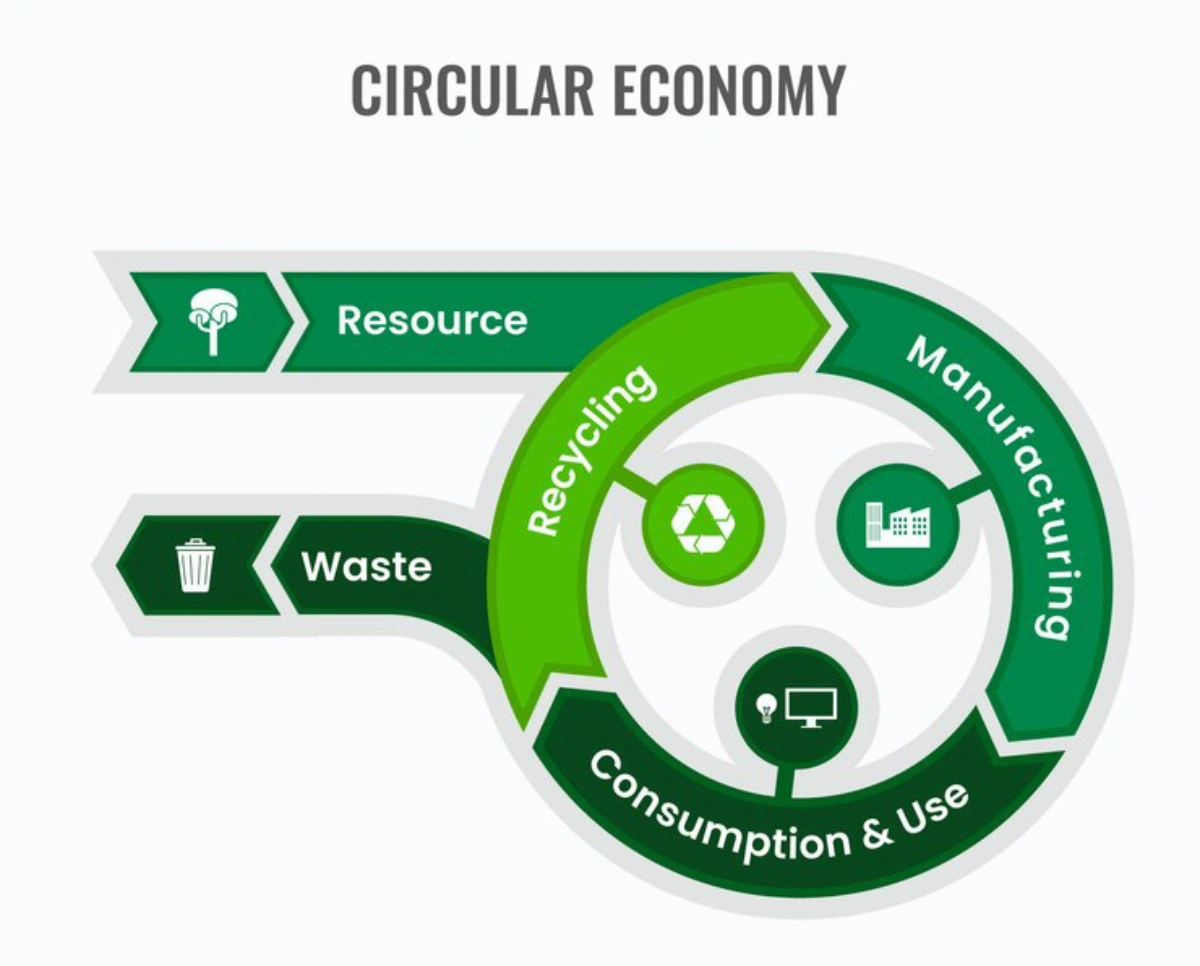
The Shift from Linear to Circular
The traditional retail model follows a simple path: products are made, sold, used, and thrown away. This system contributes to massive waste and environmental harm. The circular economy retail model changes this cycle. It emphasises sustainability, product longevity, and waste reduction.
Core Principles of Circular Economy in Retail
A circular economy focuses on three key principles:
- Designing Out Waste – Designers create products with durability, repairability, and recyclability in mind.
- Keep Products in Use – Support second-hand shopping. Rent, refurbish, and resell instead of throwing items away.
- Regenerating Natural Systems – Using sustainable materials and ethical sourcing to reduce environmental impact.
Environmental and Economic Benefits of the Circular Economy
Retailers adopting the circular economy model see many advantages:
- Reduction in Waste – By minimising landfill contributions, companies contribute to global sustainability efforts.
- Lower Production Costs – Reusing materials reduces reliance on new resource extraction.
- New Revenue Streams – Reselling offers businesses extra ways to make money.
The Rise of Second-Hand Shopping
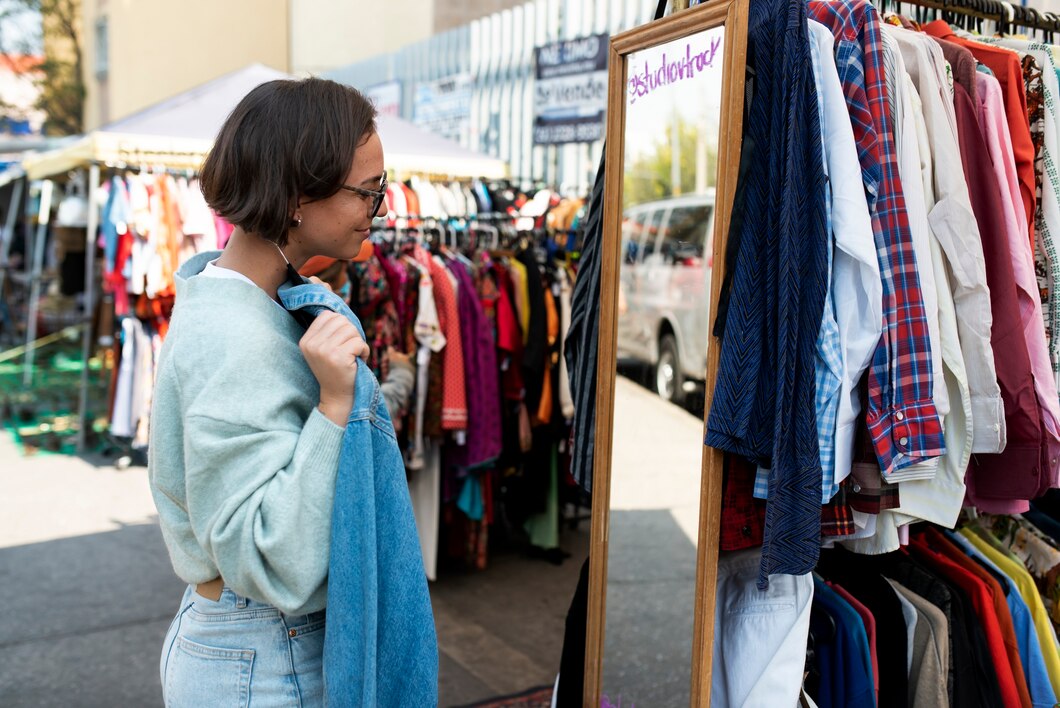
Why Consumers Are Embracing Second-Hand Retail
Second-hand shopping has grown from a niche market to a mainstream trend. People desire to adopt more environmentally conscious behaviours. They also see economic benefits. Plus, they love unique items. All these factors are driving this shift. Industry reports say the second-hand market will grow a lot in the next decade. It will even outpace fast fashion.
Popular Second-Hand Retail Sectors
Some of the industries thriving in the second-hand shopping movement include:
- Fashion and Apparel – Brands like Depop, Vinted, and ThredUp lead in pre-loved fashion.
- Electronics – Refurbished smartphones, laptops, and gaming consoles are seeing increased demand.
- Furniture and Home Goods – Facebook Marketplace and Gumtree let people sell furniture easily. This cuts down on waste.
- Luxury Goods – Reselling high-end handbags, watches, and jewellery is booming. Companies like The RealReal and Vestiaire Collective are leading this trend.
The Role of Influencers and Social Media
Social media has played a crucial role in making second-hand shopping more desirable. Influencers and eco-friendly creators share sustainable fashion and lifestyle tips. They inspire their followers to choose pre-loved items.
The Growth of the Resale Market
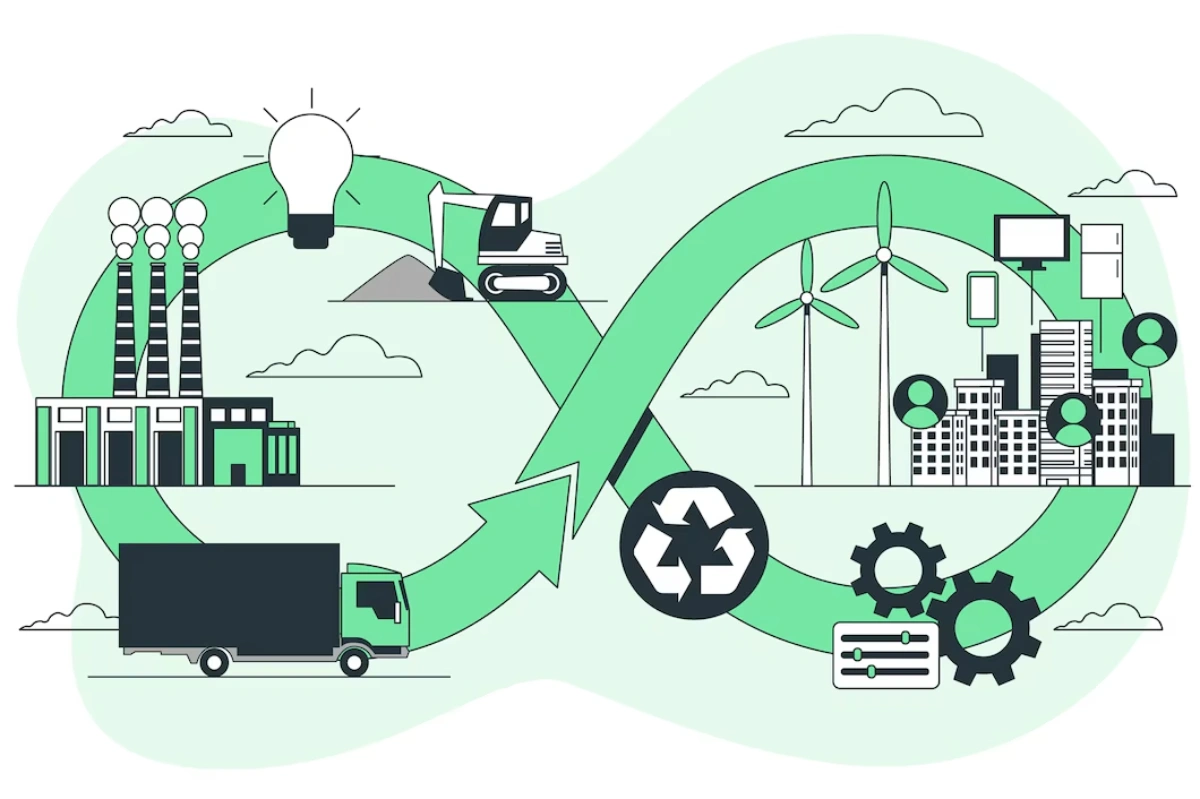
How Retailers are Adapting to the Resale Economy
The resale market industry is booming. Now, even big retailers are adding resale initiatives to their business models. Patagonia, Levi’s, and IKEA have started resale platforms. These platforms encourage customers to return used items for refurbishment and resale.
Benefits of the Resale Market
For both consumers and businesses, the resale market offers several advantages:
- Affordability – Pre-owned products often come at a fraction of the price of new ones.
- Sustainability – Extending product life reduces waste and lowers carbon emissions.
- Brand Loyalty – Companies that focus on resale connect better with eco-friendly shoppers.
- Revenue Opportunities – Retailers can meet the rising demand for resale items. This boosts profits and helps the environment.
Challenges in the Resale Market
Despite its many benefits, the resale market presents challenges for retailers, including:
- Product Authenticity – Ensuring second-hand products, especially luxury goods, are genuine.
- Quality Control – Maintaining product quality and functionality before reselling.
- Supply Chain Management – Managing logistics for product returns, refurbishment, and resale.
Circular Business Models in Retail
Product Rental and Subscription Services
Retailers are not selling products anymore. They also offer rental and subscription services. This shift supports the circular economy retail model. Examples include:
- Fashion Rental Services – You can borrow designer clothes with platforms like Rent the Runway and HURR.
- Tech Leasing – Companies provide tech rentals through subscriptions. This allows consumers to upgrade gadgets while keeping their old ones.
- Furniture as a Service – IKEA lets customers rent furniture instead of buying it.
Upcycling and Refurbishment
A new and exciting trend in circular economy retail is upcycling and refurbishing old products.
- Fashion brands are repurposing old garments into new collections.
- Tech companies are refurbishing and reselling old electronics, offering warranties to assure quality.
- Furniture brands are restoring vintage pieces and promoting craftsmanship over mass production.
Challenges and Opportunities in Circular Retail
Challenges Facing the Circular Economy
Despite its benefits, circular economy retail comes with challenges:
- Consumer Perception – Some shoppers still associate second-hand items with lower quality.
- Logistics and Infrastructure – Handling returns, refurbishment, and resale require new supply chain strategies.
- Pricing Structures – Finding the right balance between affordability and profitability can be complex.
Opportunities for Growth
Retailers that put in place circular practices effectively stand to gain:
- Increased Customer Loyalty – Sustainable initiatives appeal to conscious consumers.
- Regulatory Compliance – Governments provide tax benefits and waste reduction policies. These help promote circular economy practices.
- Innovation and Differentiation – Brands that use circular models can stand out in a crowded market.
The Future of Circular Economy in Retail
Technology’s Role in Circular Retail
Technology is helping retailers switch to circular economy models more easily. AI-driven inventory management, blockchain for tracking products, and automated refurbishment processes are changing the industry.
Changing Consumer Behaviour
As awareness grows, more consumers will demand sustainable alternatives. Businesses that don’t adapt will fall behind. But those that embrace resale and second-hand shopping will thrive.
Conclusion
The circular economy retail model is now. It reshapes the way businesses and consumers shop. On the rise: Sustainable choices. Even more, people are accepting all of the change. They’re doing second-hand shopping and partaking in the burgeoning resale market.
Those retailers who wrap circular business models around their offerings will reduce waste, drive customer loyalty and unlock new forms of income. On the flip side, adapting these sustainable practices will be vital for longterm success as the industry evolves.