
Introduction
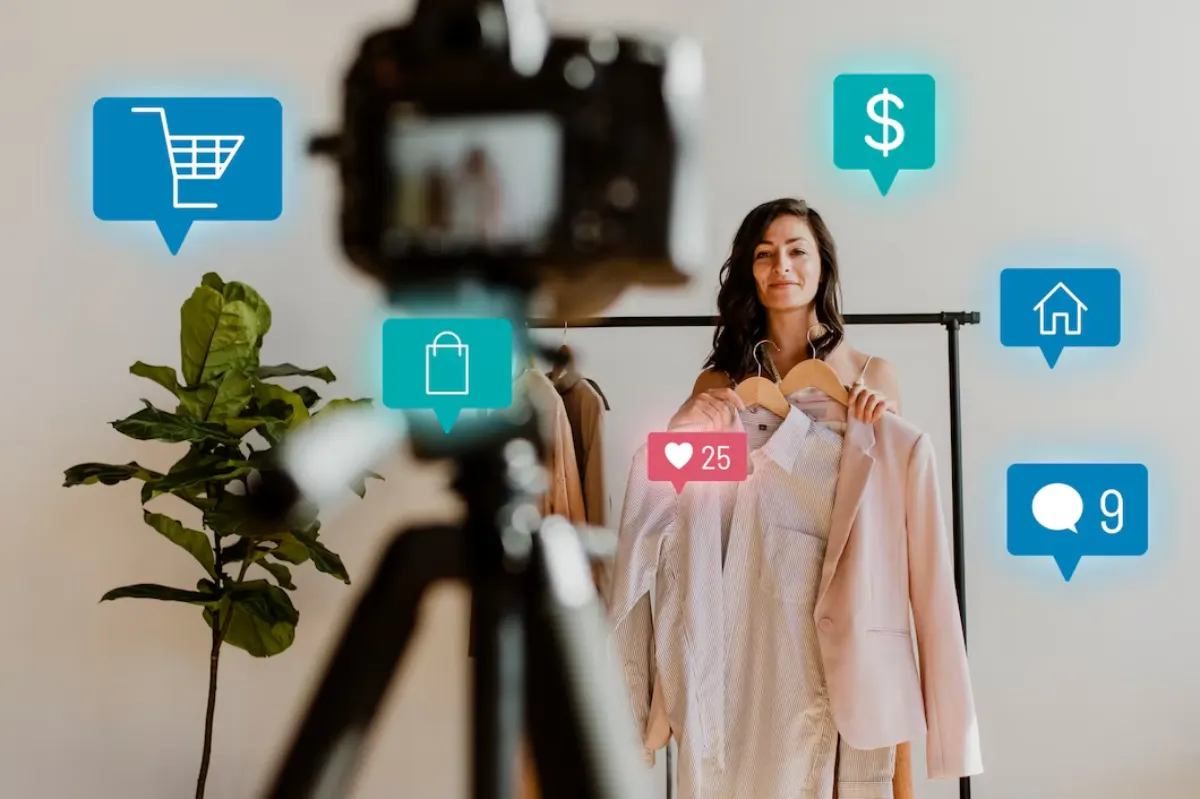
People trust others more than brands. This is where influencers come in. They connect businesses with their target audience in an authentic way.
A successful influencer marketing campaign needs the correct strategy. This includes choosing the right influencers. It involves creating campaigns that truly resonate with the audience.
Influencer marketing has become a powerful tool for driving brand awareness and sales. Retail brand partnerships with influencers are a good way to engage the target audience. Influencer promotions can help retailers increase visibility and revenue.
This guide explores the best influencer marketing strategies. Retail brands are looking to grow their presence and sales through effective collaborations.
Why Influencer Marketing is Essential for Retail Growth
The Shift in Consumer Behaviour
Today’s consumers prefer to get personalised recommendations instead of traditional ads. When influencers collaborate with brands, they provide trusted voices for their products.
These influencers help with organic endorsements of products, convincing people to purchase items they might not usually consider.
Boosting Brand Awareness and Trust
When influencers recommend a product, people follow. Having a strong influencer marketing strategy helps connect brands to their audience and brings in new customers. This boosts the likelihood that these customers will consider buying from that brand.
Enhancing Customer Engagement
Influencer promotions lead to more engagement than traditional ads. Interactive content, such as unboxing, reviews, and giveaways, are key. It creates strong bonds between retailers and consumers.
Finding the Right Influencers for Retail Brand Partnerships
Identifying Your Target Audience
Retail brands must define their target audience before selecting influencers. They should consider demographics and shopping behaviours to ensure influencer alignment.
Choosing the Right Type of Influencers
There are different types of influencers, each offering unique benefits:
- Nano-Influencers (1K-10K followers): They have strong engagement and focus on specific niches. They are great for local or niche retail brands.
- Micro-Influencers (10K-100K followers): They hold strong credibility in specific communities. This makes them excellent for authentic influencer promotions.
- Macro-Influencers (100K-1M followers): Greater reach and visibility, suitable for large-scale retail campaigns.
- Celebrity Influencers (1M+ followers): High brand impact but costly. They are best for global brand exposure.
Evaluating Influencer Credibility
When selecting influencers, brands should analyse:
- Engagement rates – High likes, shares, and comments indicate an active audience.
- Authenticity – Genuine interactions and transparent content build trust.
- Reputation – Avoid influencers with controversial pasts that may harm brand image.
Best Influencer Marketing Strategies for Retail Brands
1. Product Seeding and Gifting
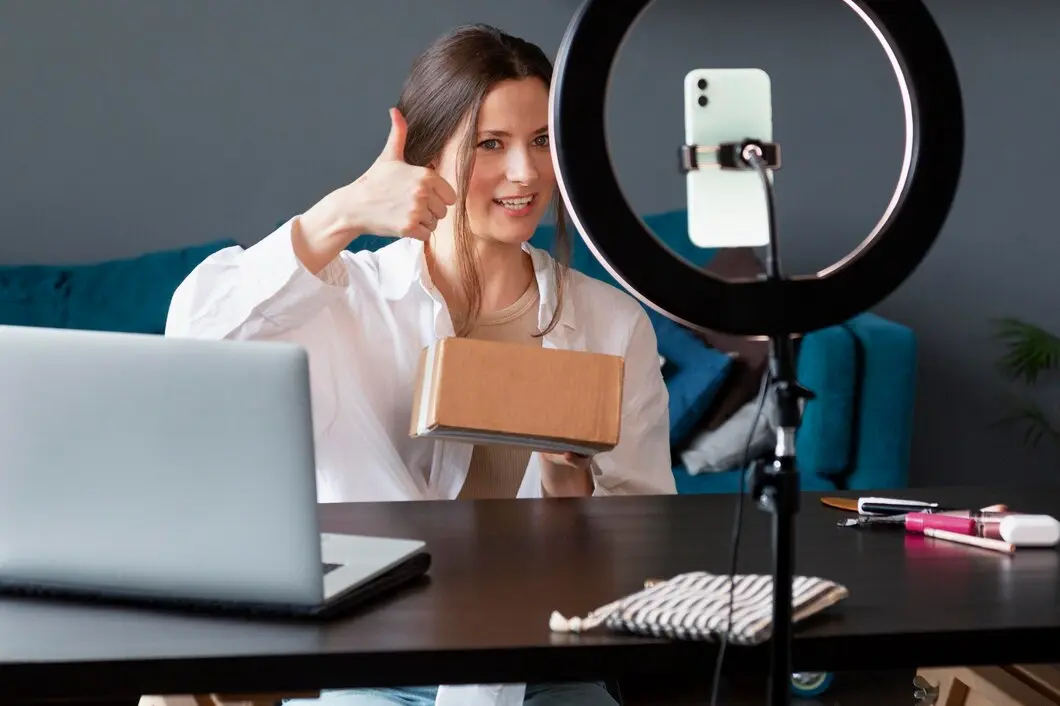
Sending free products to influencers allows them to create organic content that showcases your brand. This is an effective way to generate authentic buzz and attract new customers.
2. Sponsored Content Collaborations
Retailers can pay influencers to make posts, stories, or videos about their products. Sponsored posts should feel natural and match the influencer’s usual style.
3. Social Media Takeovers
You can try giving influencers temporary control over a brand’s social media. This can increase exposure and engagement. This strategy provides fresh content while leveraging the influencer’s audience.
4. Discount Codes and Affiliate Marketing
Exclusive discount codes encourage influencers’ followers to buy from the brand. Affiliate links help influencers earn commissions while tracking sales.
5. Influencer Events and Brand Experiences
Hosting in-person or virtual events with influencers strengthens retail brand partnerships. Invite influencers to store openings, product launches, or special promotions to create excitement.
6. User-Generated Content Campaigns
Encouraging influencers to generate content that followers can participate in boosts community engagement. Hashtag challenges, contests, and customer participation enhance brand visibility.
7. Leveraging Video Content and Live Streams
Platforms like TikTok, Instagram Reels, and YouTube Shorts boost video influencer promotions. They provide high engagement. Live sessions with Q&As, product demos, or giveaways encourage real-time interactions.
8. Long-Term Influencer Partnerships
Building ongoing relationships with influencers creates a consistent brand message. Long-term collaborations build deeper trust with their audience. This trust makes promotions more effective.
9. Influencer Co-Creation of Products
Partnering with influencers to create limited-edition products boosts excitement and exclusivity. Many retail brands increase sales by collaborating with influencers. This provides unique offerings.
10. Paid Advertising Amplification
Retailers can boost influencer content with paid social media ads. This increases reach and ensures more people see the message. This makes sure that it is not just the influencer’s followers.
Measuring the Success of Influencer Marketing Campaigns
Key Performance Indicators (KPIs) to Track
Retail brands should monitor the following metrics:
- Engagement Rate: Likes, comments, shares, and saves.
- Reach and Impressions: How many users viewed the content?
- Click-Through Rate (CTR): Percentage of users clicking links in influencer posts.
- Sales Conversions: Number of purchases made through influencer promotions.
- Return on Investment (ROI): Evaluating revenue generated compared to campaign costs.
Adjusting Strategies for Better Results
Retail brands should analyse campaign performance and refine their influencer marketing strategies by:
- Testing different influencer tiers (nano, micro, macro, celebrity).
- Experimenting with content formats (video, carousel posts, blog features).
- Adjusting posting times and engagement tactics.
Common Mistakes to Avoid in Influencer Marketing
Choosing the Wrong Influencers
Make sure to partner with relevant influencers. Influencers that lack authenticity can lead to poor engagement.
Lack of Clear Guidelines
Retail brands need to give influencers clear content guidelines. This helps maintain brand consistency while still allowing for creative freedom.
Ignoring FTC Disclosure Regulations
Brands must ensure influencers disclose paid partnerships and gifted products. This is key to following advertising rules and maintaining transparency.
Future Trends in Influencer Marketing for Retail Growth
Rise of AI and Virtual Influencers
Artificial Intelligence (AI) is transforming influencer marketing with virtual influencers. These digital personalities, like Lil Miquela, are gaining traction among Gen Z consumers.
Growth of TikTok and Short-Form Video Content
Retail brands are prioritising TikTok influencers and Instagram Reels for viral influencer promotions. Short-form videos are proving to be highly effective for driving brand engagement.
Personalisation and Data-Driven Influencer Campaigns
Retailers use AI tools to analyse customer data. These tools help match influencers with the preferences of their audience.
Conclusion
Influencer marketing is key for retailers aiming to grow their brands and increase online sales. If done right, influencer marketing can grow your business. By choosing the right influencers, you can boost brand awareness and sales. Create genuine campaigns and use platforms that connect with your audience.
Form strong retail brand partnerships. The use of influencer promotions can boost engagement. It can also drive revenue and create lasting customer relationships.
Focus on tracking results, building solid relationships with influencers, and adjusting your strategies. These simple steps will help your business grow and succeed today.
To maximise success, retailers should select the right influencers. They must create engaging content and continuously optimise their campaigns. Staying ahead of industry trends and leveraging data-driven insights. Brands can harness the full power of influencer marketing for sustained retail growth.