

Introduction
The retail sector is one of the largest contributors to global carbon emissions. Retailers emit greenhouse gases in many ways, from supply chain logistics to store operations. To minimise their retail carbon footprint and support better green retail practices, businesses will need to embrace green retail practices as consumers become increasingly environmentally aware.
This blog post discusses actionable strategies retailers can employ to remain sustainable, profitable, and retain customer loyalty.
Understanding the Retail Carbon Footprint
What is a Retail Carbon Footprint?
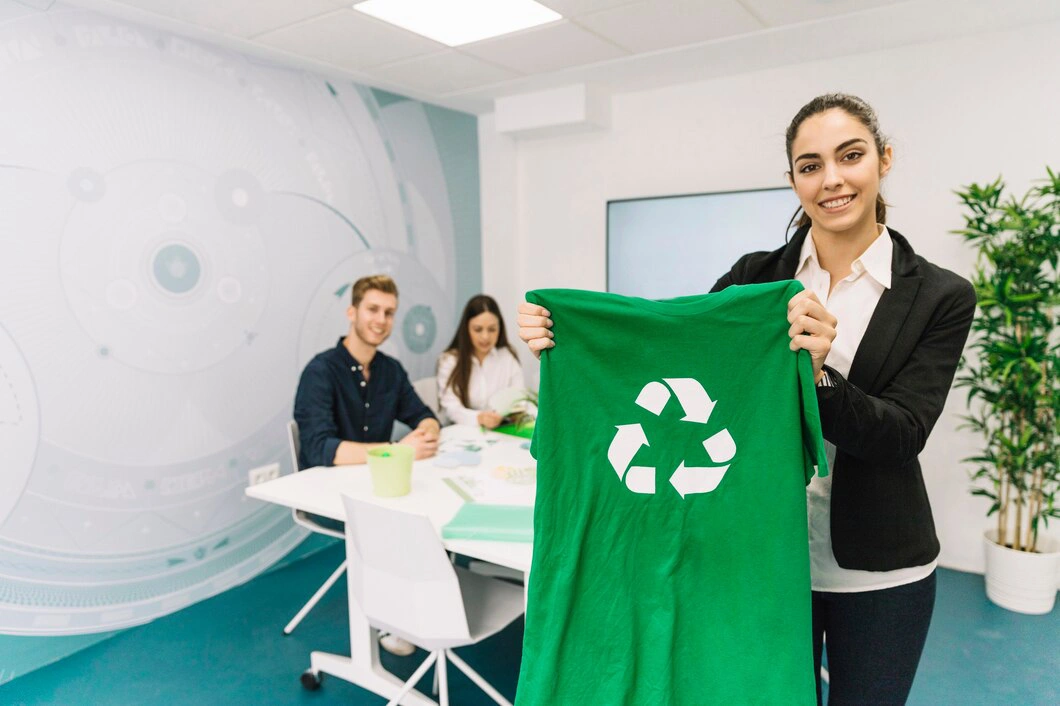
A retail carbon footprint is a retail business’s total greenhouse gas emissions during its operations. This includes emissions from:
- Manufacturing and sourcing of products
- Transportation and distribution
- Energy consumption in stores and warehouses
- Packaging and waste management
- Consumer use and disposal of purchased goods
Why Should Retailers Reduce Their Carbon Footprint?
Lowering carbon emissions has several advantages, such as:
- Cost Savings – Energy-efficient solutions reduce operational costs over time.
- Customer Loyalty – Consumers increasingly want to support businesses that place an emphasis on sustainability.
- Regulatory Compliance – Governments are tightening environmental regulations. Companies have to comply or be subject to punishment.
- Brand Reputation – Sustainable businesses receive favorable media, attract investor attention, and accelerate in the market.
- Long-Term Sustainability – Companies that embrace sustainability can insulate themselves against resource scarcity and changes in consumer preferences.
Green Retail Practices to Lower Carbon Emissions

1. Sustainable Supply Chain Management
Retailers can significantly cut emissions by optimising their supply chains:
- Source Locally – Reducing transportation distances lowers fuel consumption and emissions.
- Work with Sustainable Suppliers – Team up with eco-friendly and ethical vendors.
- Enhance Logistics Efficiency – Combine shipments, streamline delivery routes, and choose eco-friendly transport. This approach helps cut down emissions.
- Adopt Sustainable Procurement Policies – Source raw materials from sustainable, renewable, and ethical places.
- Reduce Overproduction – By improving demand forecasting, retailers can prevent waste from unsold inventory.
2. Energy Efficiency in Retail Stores
Stores use a lot of energy, so it’s essential to adopt energy-saving measures:
- Use LED Lighting – LED bulbs use much less power and last longer than regular lights.
- Optimise HVAC Systems – Regular maintenance and smart thermostats boost energy efficiency.
- Switch to Renewable Energy – Investing in solar or wind power cuts emissions and saves energy costs.
- Automate Energy Use – Use innovative systems to better manage store heating, cooling, and lighting.
- Design Eco-Friendly Stores – Use energy-efficient materials and insulation. This cuts heat loss and lowers cooling needs.
3. Eco-Friendly Packaging Solutions
Retailers can adopt sustainable packaging to reduce waste and emissions:
- Choose Recyclable and Biodegradable Materials – Use paper, cardboard, compostable plastics, and plant-based options.
- Reduce Packaging Waste – Minimise unnecessary wrapping, design lightweight packaging, and use refillable options.
- Encourage Reusable Packaging – Give customers rewards for using their bags and containers.
- Implement Closed-Loop Packaging Systems –
- Ask customers to return their used packaging.
- Promote recycling and reuse of these materials.
- Partner with Recycling Programs – Team up with groups focusing on collecting and repurposing packaging waste.
4. Sustainable Product Offerings
Retailers can align with eco-conscious consumers by stocking sustainable products:
- Offer Ethically Sourced Goods – Fairtrade and organic products appeal to green shoppers.
- Sell Recycled and Upcycled Products – Giving old materials a new life cuts waste and saves resources.
- Promote Refillable and Zero-Waste Items – Encourage customers to buy long-lasting, reusable goods.
- Label Products Clearly – Make it easy for consumers to find sustainable products with clear eco-labels and certifications.
Sustainability in Shopping: Engaging Consumers

5. Encourage Conscious Consumer Behaviour
Retailers can influence consumer habits to promote sustainability in shopping:
- Loyalty Programs for Eco-Friendly Purchases – Reward customers for buying sustainable products and reducing waste.
- Eco-Friendly Shopping Options – Offer paperless receipts, minimal packaging, and bulk purchasing options.
- Educational Campaigns – Use in-store signs, social media, and blogs to raise awareness about sustainable choices.
- Host Sustainability Workshops – Connect with customers through events on zero-waste living, upcycling, and mindful consumption.
6. Carbon-Neutral Delivery Options
There have been increased carbon emissions for packaging and shipping due to online shopping. Retailers can integrate greener delivery options:
- Provide Carbon Offset on Deliveries – Allow customers to donate to reforestation or renewable energy projects.
- Switch to Electric or Hybrid Vehicles – Converting delivery fleets to electric reduces emissions and lowers costs.
- Promote Click-and-Collect Services – It also addresses last-mile delivery challenges by allowing customers to retrieve in-store orders.
- Get Help with Smart Logistics – Reduce unnecessary emissions.
Waste Reduction and Circular Economy Strategies
7. Implement Circular Economy Initiatives
Retailers can reduce waste and promote sustainability by adopting circular economy models:
- Take-Back Programmes – Encourage customers to return old products for recycling, refurbishment, or donation.
- Repair and Resell Initiatives – Offer refurbished or second-hand products to extend their lifecycle.
- Product Leasing Models – Allow customers to rent rather than purchase, reducing unnecessary production.
- Use Waste-to-Resource Strategies – Turn waste from production and retail into new products or energy.
8. Reduce Food Waste in Grocery Retail
Minimising food waste is critical for grocery stores:
- Donate Unsold Food – Work with food banks to reallocate excess items.
- Offer “Imperfect” Produce – Offer customers the option to purchase visually flawed but perfectly fresh and edible fruits and vegetables.
- Use Smart Inventory Management – AI-enabled analytics help retailers minimise spoilage and overstocking.
- Adopt Dynamic Pricing – Provide discounts on products nearing expiry dates to reduce waste.
The Future of Green Retail Practices
9. Leveraging Technology for Sustainability
Innovation is driving new solutions for sustainability in shopping:
- AI for Supply Chain Optimisation – Predict demand more accurately to avoid overproduction.
- Blockchain for Transparency – Ensure ethical sourcing by tracking supply chain data.
- IoT Smart Stores – Automate lighting, heating, and cooling to maximise energy efficiency.
- Digital Twins – Use AI-driven models to simulate and improve retail operations before implementation.
10. Government Policies and Corporate Responsibility
Regulations and incentives are shaping the future of green retail practices:
- Extended Producer Responsibility (EPR) – Retailers are held accountable for the environmental impact of their products.
- Tax Benefits for Sustainable Businesses – Incentives for adopting renewable energy and eco-friendly practices.
- Collaboration with Environmental Organisations – Partnering with NGOs to promote sustainability efforts.
- Industry Sustainability Standards – Participation in carbon neutrality certifications and climate action initiatives.
Conclusion
Making the retail carbon footprint smaller is now an obligation—not an option—for companies with aspirations of succeeding in an ever-changing environment.” Focusing on green retail practices and sustainability in shopping can yield lasting benefits for retailers, their customers, and the Earth.
Retailers who adopt these best practices will lower their environmental footprint, increase brand loyalty, and gain a strategic advantage in the marketplace.