

Warehouse automation is changing retail logistics. It helps businesses manage inventory, fulfil orders, and improve efficiency. Using AI in retail logistics and supply chain robotics helps companies work faster. It also cuts down on mistakes and boosts productivity.
This article looks at warehouse automation, the new tech behind it, and how it helps retailers.
What is Warehouse Automation?
Warehouse automation uses technology like robots, AI, and automated systems. It helps make warehouse operations more efficient. It cuts down on manual work, lowers human mistakes, and speeds up supply chain tasks.
Types of Warehouse Automation
- Goods-to-Person (GTP) Systems – Automated storage and retrieval systems (AS/RS) bring items straight to workers. This cuts down on walking time.
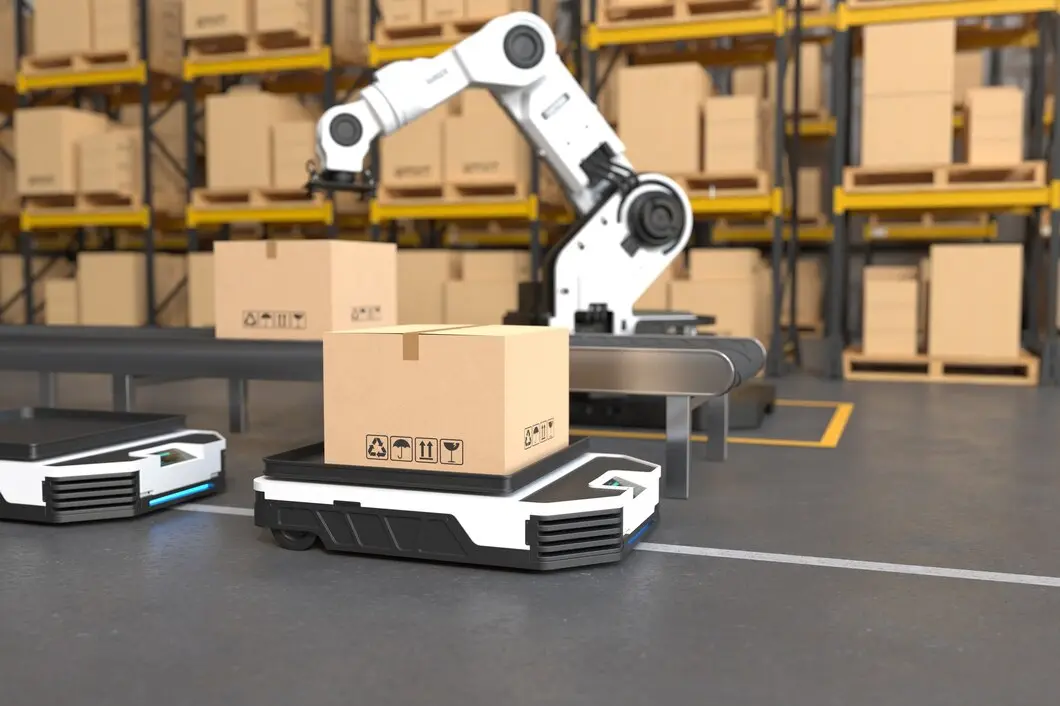
- Automated Guided Vehicles (AGVs) – These robotic vehicles navigate warehouses autonomously, transporting goods efficiently.
- Autonomous Mobile Robots (AMRs) – AMRs use advanced AI and machine learning. This helps them navigate more flexibly than AGVs.
- Robotic Picking and Packing – AI-driven robotic arms quickly and precisely pick and pack orders.
- AI-driven Predictive Analytics – Machine learning algorithms predict demand and suggest stock replenishment schedules.
- Automated Sorting Systems – They use conveyor belts, barcode scanners, and AI to sort orders quickly.
- Voice Picking Technology – Warehouse workers use voice commands to work with automated systems. This boosts both accuracy and efficiency.
The Growing Importance of Automation in Retail Logistics
1. Enhancing Order Fulfilment Efficiency
- Automated picking and packing systems increase order processing speed.
- Robotics and AI-driven conveyors reduce manual handling time.
- Faster shipping times lead to improved customer satisfaction.
- AI-powered forecasting keeps warehouses stocked with in-demand items.
- Reduces dependency on seasonal or temporary labour.
2. Reducing Operational Costs
- Minimises labour expenses by reducing reliance on human workers.
- Lowers costs associated with inventory mismanagement and errors.
- Improves warehouse space utilisation with smart storage solutions.
- Reduces energy costs with AI-driven climate control in warehouses.
- Prevents losses due to theft or misplacement with real-time tracking.
3. Improving Inventory Accuracy
- AI-powered inventory tracking ensures real-time stock visibility.
- Automated replenishment systems prevent overstocking and stockouts.
- Robotics enhance warehouse safety and efficiency in stock handling.
- RFID and IoT devices track inventory conditions, preventing spoilage or damage.
- Minimises discrepancies in stock levels with automated reconciliation.
4. Boosting Workplace Safety
- Reduces workplace injuries by minimising manual heavy lifting.
- Automated forklifts and palletisers lower accident risks.
- AI-driven monitoring systems detect safety hazards and alert warehouse managers.
- Reduces worker fatigue by automating repetitive and strenuous tasks.
- Enhances emergency response by using real-time alerts for hazardous conditions.
Click here to learn more about the Future of Retail Shopping
Key Technologies Driving Warehouse Automation

1. AI in Retail Logistics
- Machine learning algorithms optimise inventory forecasting.
- AI-powered demand prediction reduces supply chain disruptions.
- Intelligent data analytics help retailers make data-driven decisions.
- AI-powered voice-picking systems enhance accuracy and efficiency.
- Real-time data integration enables predictive maintenance of warehouse equipment.
2. Supply Chain Robotics
- Autonomous Mobile Robots (AMRs): Navigate warehouses efficiently and reduce congestion.
- Robotic Arms: Assist in sorting, packing, and palletising goods.
- Automated Guided Vehicles (AGVs): Streamline material transport and improve productivity.
- Exoskeletons: Wearable robotics enhance worker capabilities and reduce strain-related injuries.
- AI-Powered Drones: Used for real-time inventory auditing and cycle counting.
3. Internet of Things (IoT) and Smart Sensors
- IoT-enabled sensors track inventory movement and warehouse conditions.
- Smart shelving systems adjust storage dynamically for optimal efficiency.
- RFID technology enhances stock tracking accuracy.
- Predictive maintenance using IoT minimises equipment downtime.
- Automated climate control maintains optimal conditions for perishable goods.
4. Warehouse Management Systems (WMS)
- Centralised platforms manage inventory, orders, and workflows.
- AI-driven WMS solutions integrate with automation tools for seamless operations.
- Cloud-based WMS allows real-time remote warehouse monitoring.
- Digital twins provide virtual warehouse simulations to optimise processes.
- Blockchain technology enhances security and transparency in inventory transactions.
Benefits of Warehouse Automation for Retailers
- Faster Order Processing: Reduces lead times and improves customer satisfaction.
- Higher Accuracy: Minimises human errors in inventory tracking and order fulfilment.
- Scalability: Enables retailers to expand operations without significant labour costs.
- Sustainability: Reduces waste and optimises resource utilisation.
- Increased Warehouse Capacity: Vertical storage solutions maximise warehouse space.
- Better Customer Experience: Quicker fulfilment leads to higher customer retention rates.
- Flexibility in Demand Fluctuations: AI-based systems adjust automatically to demand changes.
Challenges in Implementing Warehouse Automation
1. High Initial Investment
- Advanced automation solutions require significant capital.
- ROI may take time, depending on the scale of implementation.
- Requires ongoing maintenance and software updates.
- Businesses must plan gradual automation adoption to manage costs.
2. Integration Complexity
- Existing warehouse systems may need upgrades for compatibility.
- Staff must be trained to operate and maintain automated systems.
- Ensuring seamless communication between different automation technologies can be challenging.
- Customising automation solutions to fit unique warehouse needs can be costly.
3. Workforce Adaptation
- Employees need training to adapt to new automated systems.
- Resistance to automation may arise due to fears of job displacement.
- Companies must focus on reskilling workers for technology-driven roles.
- Combining human expertise with automation creates more efficient hybrid workforce models.
Future Trends in Warehouse Automation

1. Increased Adoption of AI in Retail Logistics
- AI will become more sophisticated in analysing real-time data.
- Enhanced predictive analytics will further improve demand forecasting.
- AI-driven robotics will adapt dynamically to warehouse conditions.
2. Expansion of Supply Chain Robotics
- Robotics will handle more complex warehouse tasks with improved dexterity.
- Increased collaboration between human workers and robotic assistants.
- Fully automated warehouses with minimal human intervention will rise.
3. Greater Use of Cloud-Based WMS
- Remote warehouse management will become the norm.
- AI-driven decision-making will optimise operations in real-time.
- Cloud security enhancements will strengthen data protection.
4. Growth of Dark Warehouses
- Fully automated warehouses without human workers will become more common.
- AI and robotics will handle entire fulfilment processes autonomously.
- Energy-efficient, self-sustaining smart warehouses will emerge.
Final Thoughts
Warehouse automation, AI in retail logistics, and supply chain robotics are changing retail warehousing. Automating can help businesses work better, save money, and stay ahead in a quick market. As technology grows, retail warehousing will become smarter and more independent.
Retailers can secure their supply chains by using new automation technologies. They should also keep improving warehouse operations. This helps ensure smooth order fulfilment for customers around the world.
Keep reading to learn more about how AI has impacted the shopping industry.