
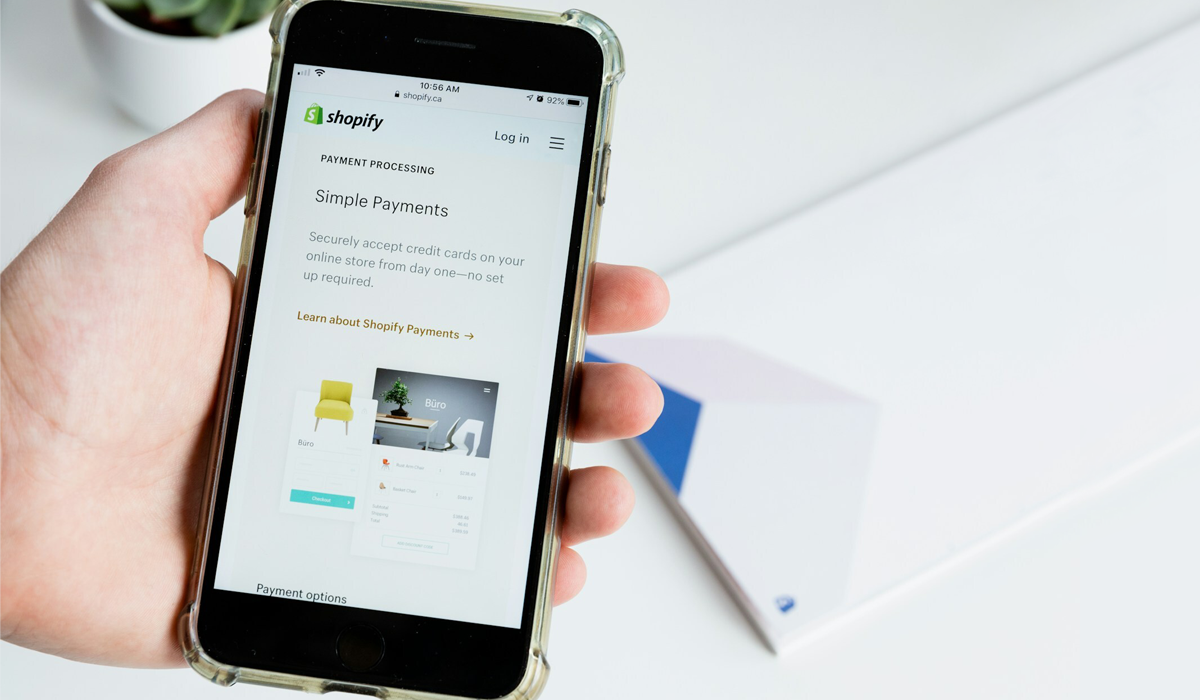
The retail industry has changed a lot in the last decade. Mobile shopping apps play a key role in browsing, shopping, and connecting with brands. These apps make shopping easier and more personalised, creating a better digital retail experience.
With features like AI-driven recommendations, one-click purchases, and seamless payment options, mobile apps are revolutionising how consumers shop. Many brands use augmented reality (AR) to help customers visualise products before purchasing, enhancing confidence in buying decisions. Loyalty programs and push notifications keep shoppers engaged, offering exclusive deals and personalised promotions. As technology advances, mobile shopping apps will continue shaping the future of retail. Read our blog to learn more.
Why Are Mobile Shopping Apps Gaining Popularity?
Several reasons explain the rise of mobile apps in retail:
- Convenience: Shoppers can browse and buy anytime, anywhere.
- Personalisation: AI suggests products based on a shopper’s history.
- Exclusive offers: Brands often provide app-only discounts and rewards.
- Faster checkout: Saved payment info and one-click buying speed things up.
- Enhanced security: Mobile apps use encryption and biometrics for safer shopping.
Enhancing the Digital Retail Experience Through Apps
Retailers use advanced tech to make mobile shopping apps smooth and engaging. Here’s how they improve the digital retail experience: AI-driven recommendations personalise shopping, AR lets customers visualise products, and chatbots provide instant support. Secure payment options, voice search, and seamless navigation enhance convenience, while push notifications boost engagement and retention.
Personalised Shopping Journeys
Modern mobile shopping apps use AI to analyse customer data and create personalised experiences. Features like product recommendations and wish lists help keep customers engaged.
Augmented Reality (AR) and Virtual Try-Ons
AR is changing online shopping by letting customers see products before buying. Many brands now offer virtual try-ons for clothing and other items, blending physical and digital retail.
Seamless Omnichannel Integration
Retailers use omnichannel strategies, connecting mobile shopping apps with stores, websites, and social media. Features like click-and-collect and in-app barcode scanning make shopping smoother across platforms.
Voice Commerce and AI Chatbots
With voice assistants on the rise, many mobile shopping apps now support voice search and purchasing. AI chatbots help customers with questions, making the shopping experience more interactive.
Hyper-Personalised Discounts and Offers
Retailers analyse user behaviour to send timely, location-based offers through mobile shopping apps, boosting sales and customer satisfaction.
Mobile Wallets and One-Tap Payments
Integrating mobile wallets like Apple Pay and Google Pay allows easy checkouts, leading to more sales and better customer retention.
The Role of Retail App Marketing in Driving Sales

Creating a great app is vital, but clever retail app marketing drives user engagement. Here are some effective strategies:
App Store Optimisation (ASO)
Like SEO for websites, ASO boosts an app’s visibility. Using relevant keywords, writing clear descriptions, and getting positive reviews can increase downloads.
Push Notifications and Retargeting
Retailers send push notifications about exclusive deals and reminders for abandoned carts, which helps raise conversion rates.
Loyalty Programs and Gamification
Adding loyalty rewards and game-like features encourages repeat purchases. Many mobile shopping apps offer point systems and referral incentives to engage users.
Social Media and Influencer Collaborations
Working with social media and influencers can significantly boost app adoption. Features like shoppable posts help retailers reach more customers.
Data-Driven Marketing Campaigns
Retailers can use customer data to create personalised emails, retargeting ads, and referral programs that improve user engagement.
Future Trends in Mobile Shopping Apps

The world of mobile shopping apps is evolving quickly. Here are some trends shaping the future of digital retail experiences: AI-powered personalisation enhances recommendations, AR enables virtual try-ons and voice search simplifies browsing. Social commerce, one-click checkout, and blockchain for secure payments also transform how consumers shop online.
AI-Powered Shopping Assistants
AI-driven assistants will become more competent, giving real-time recommendations and personalised support.
Blockchain for Secure Payments
Blockchain technology may enhance payment security, reduce fraud, and streamline transactions in mobile shopping apps.
Sustainable and Ethical Shopping Features
More consumers care about sustainability. Many mobile shopping apps now highlight eco-friendly products and ethical sourcing.
Voice and Gesture-Based Navigation
Future apps might use voice and gestures for hands-free shopping, making the experience even more intuitive.
AI-Powered Fraud Detection
As cyber threats increase, AI fraud detection will help secure transactions and protect consumers.
Integration of Social Commerce
Retailers will add social commerce features to mobile shopping apps, allowing users to shop directly through platforms like Instagram and Facebook.
Final Thoughts
Mobile shopping apps have significantly impacted the retail industry. They offer convenience, personalisation, and smooth integration, redefining the digital retail experience. As technology evolves, retailers must invest in innovative retail app marketing to attract and keep customers. Embracing these changes will boost customer satisfaction and ensure long-term success. The future of retail lies in optimising mobile experiences and leveraging new technologies.